Three Generations & Going Strong
Whitestone Mountain Orchard
Whitestone Mountain Orchard
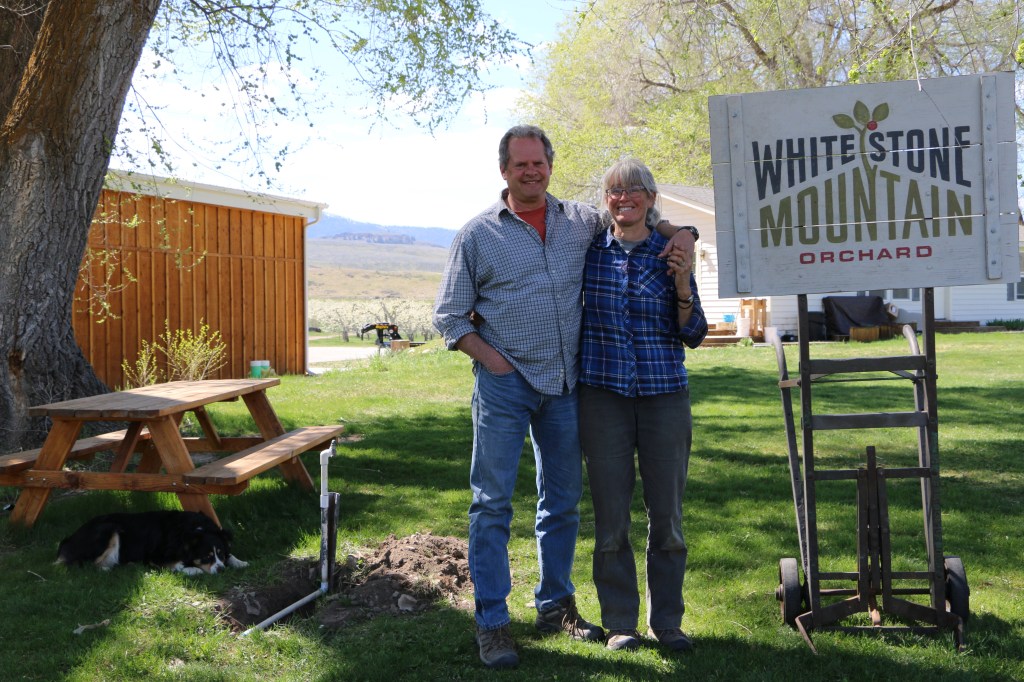
In 1993, my father, Ted Lichtenfels, envisioned a family farm that would defy the trend of small-scale growers giving way to large corporate agribusinesses. Driven by a sense of land stewardship, he chose Tonasket, WA, as the canvas for his dream, purchasing a 100-acre orchard. Over the next 25 years, he dedicated himself to proving that a small farm could thrive sustainably across generations with initiative, hard work, research, and meticulous planning. His dedication yielded success.
Today, our family carries on the legacy of Whitestone Mountain Orchard, actively contributing to our regional food system and supporting families in our community. My husband Hal, our son Simon, and I, Claire, are wholeheartedly committed to renewing and nurturing the business.
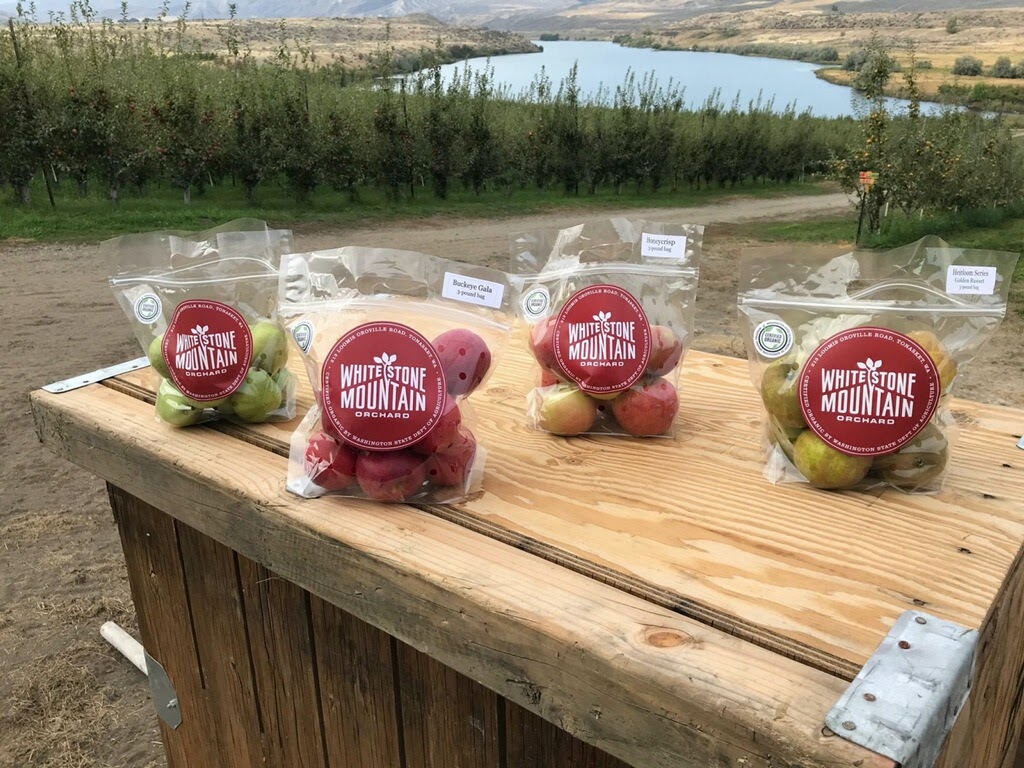
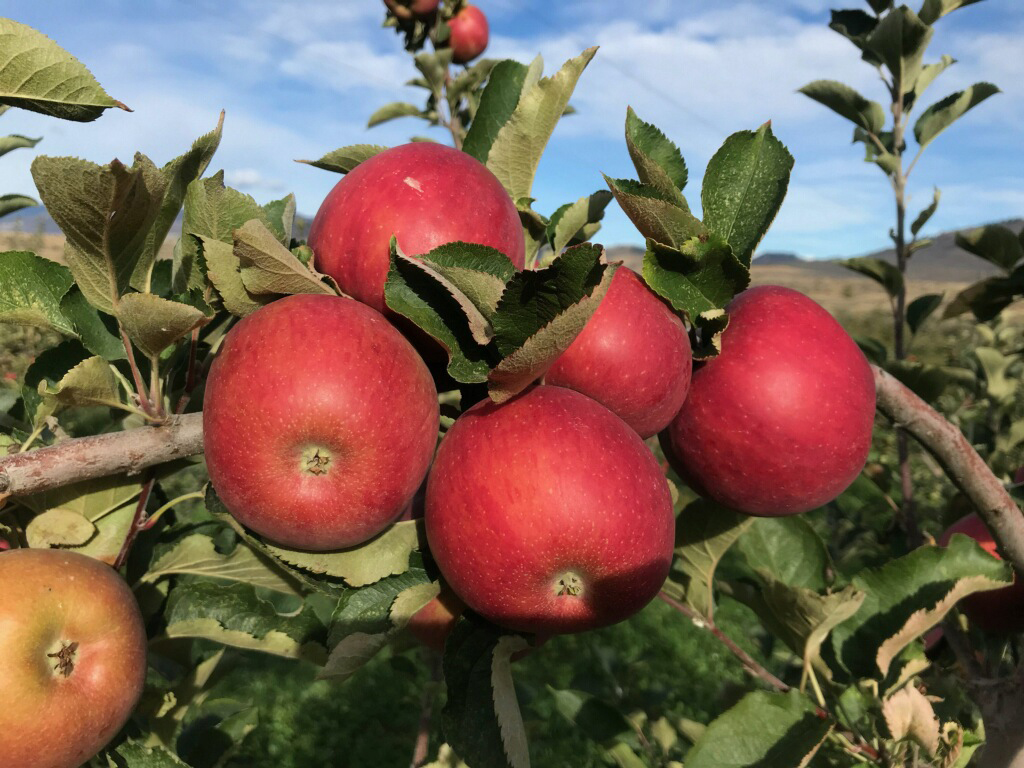
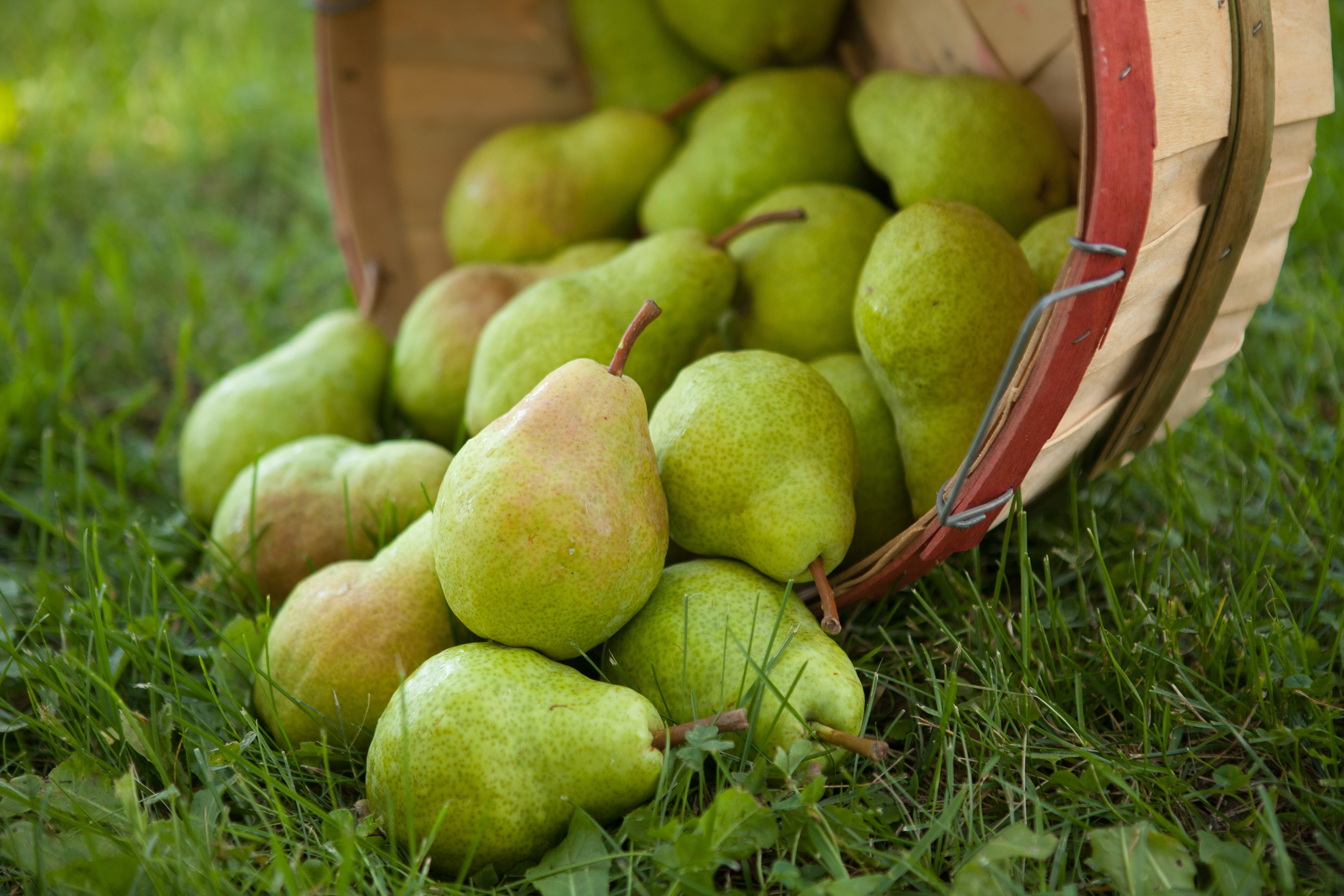
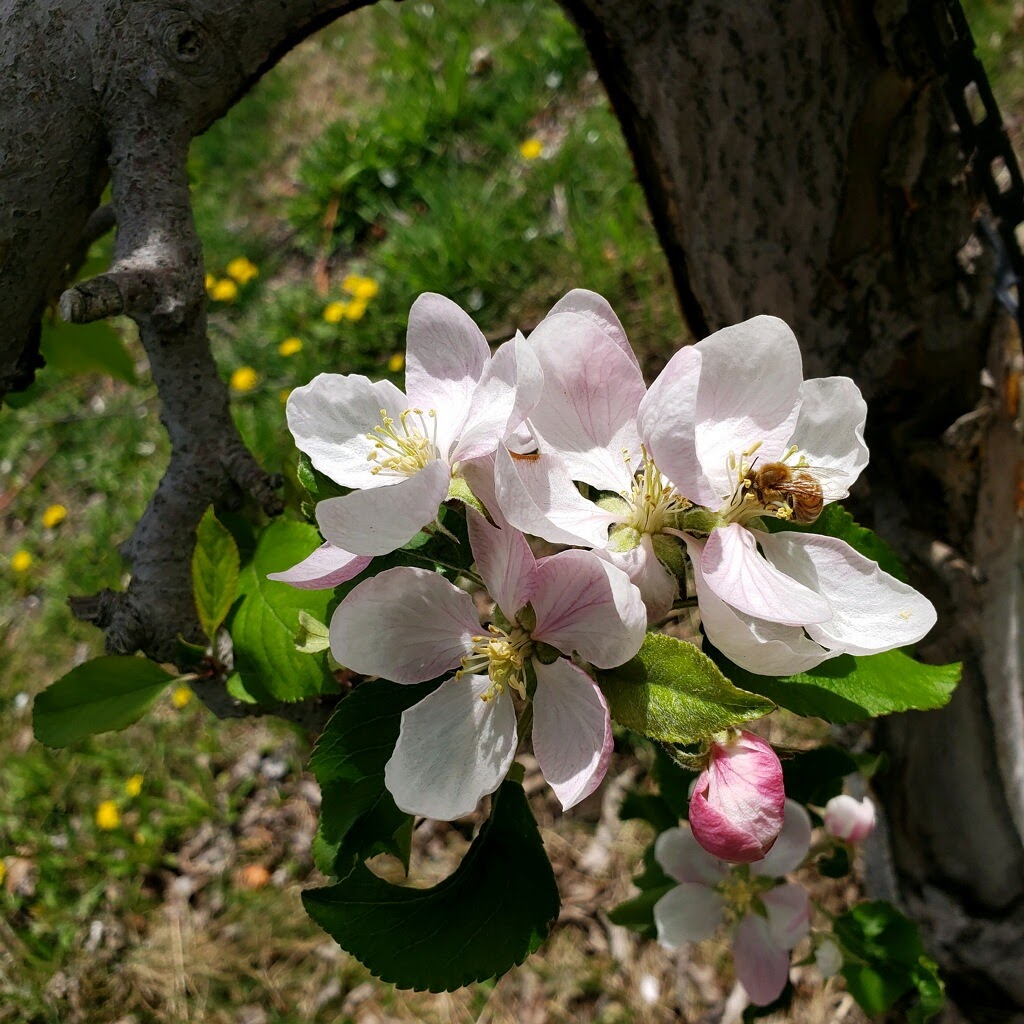
Currently, we cultivate 12 varieties of delicious organic apples, ranging from heirloom and cider fruit like Golden Russett and Kingston Black to newer cultivars such as Cosmic Crisp. Additionally, we offer Bartlett and D’Anjou pears. As we continue this journey, we strive to uphold the values of sustainability and community that have been at the heart of Whitestone Mountain Orchard since its inception.
All our fruit is certified organic and grown using regenerative agriculture practices. Our weed control, pest/disease management, and fertility practices overlap and work together to promote a biodiverse ecosystem that recycles nutrients and is in balance with the goal of limited intervention or mediation needed by the grower. We focus on supporting and shepherding the dynamic relationship between healthy plants and healthy soils.
Over the last several years, we have developed a comprehensive system to achieve this balance. First, we collect soil and sap samples throughout the year to assess mineral availability at a block level. With input from various vendors and specialists, we develop an annual comprehensive spray program of biological soil inoculants and foliar applications, including enzymes, microbes, and minerals, designed to maximize photosynthesis and tree health.
In addition, we have begun making our own compost using wood chips, fruit culls, and juice pomace to recycle orchard nutrients and improve the organic matter in our soil. Finally, we are introducing native plant species to develop an orchard ecosystem that supports a greater diversity of beneficial insects and pollination species.


 OPMA - Okanogan Producers Marketing Association